In the hospitality industry, providing clean, safe, and sustainable water is critical for guest satisfaction, operational efficiency, and environmental compliance. Resorts, in particular, face unique challenges due to high water consumption across various facilities—from guest rooms and restaurants to pools, spas, and landscaping. To meet these demands while adhering to strict regulations, resorts must invest in advanced
water treatment equipment. This article explores the essential systems required to ensure optimal water quality and conservation in modern resorts.
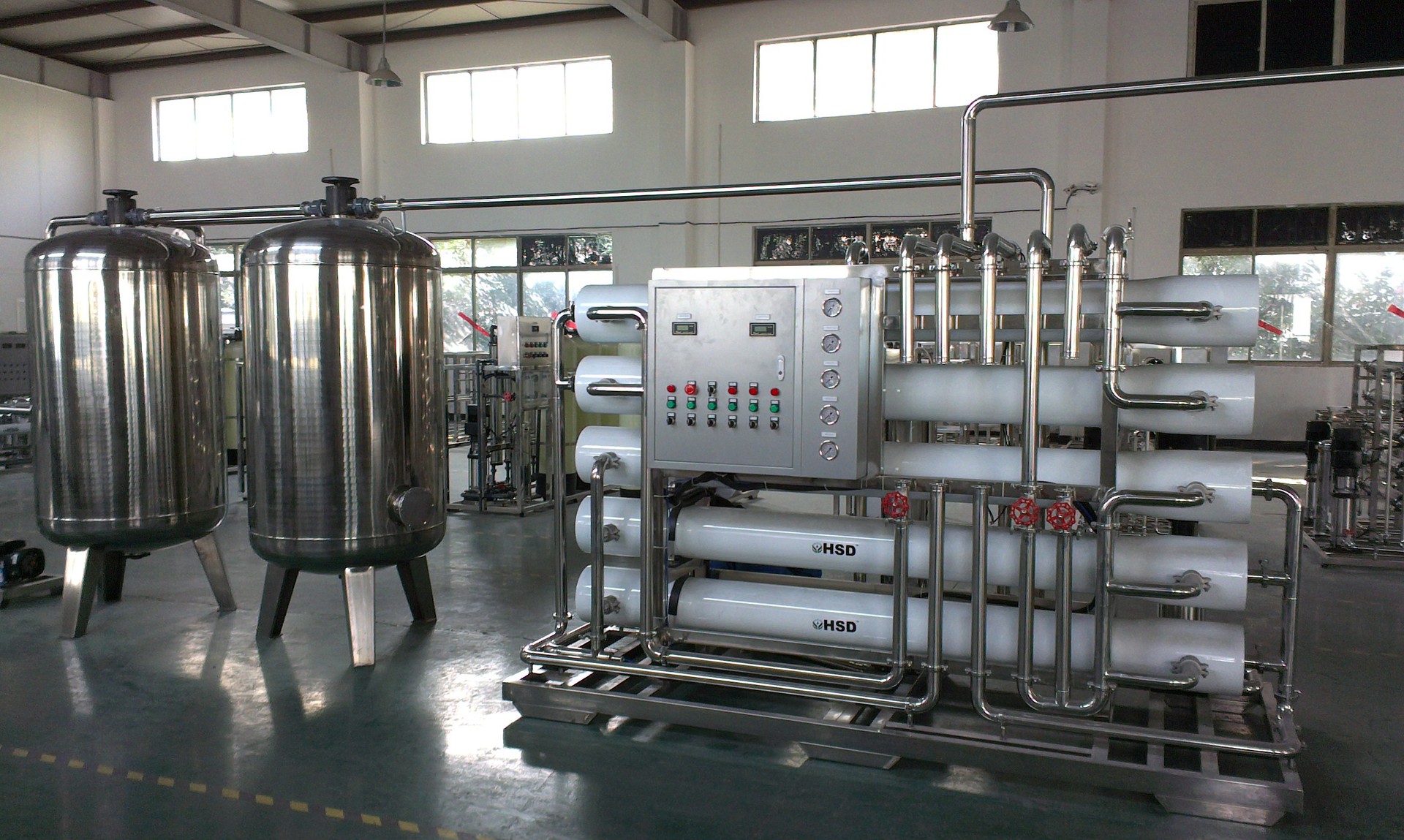
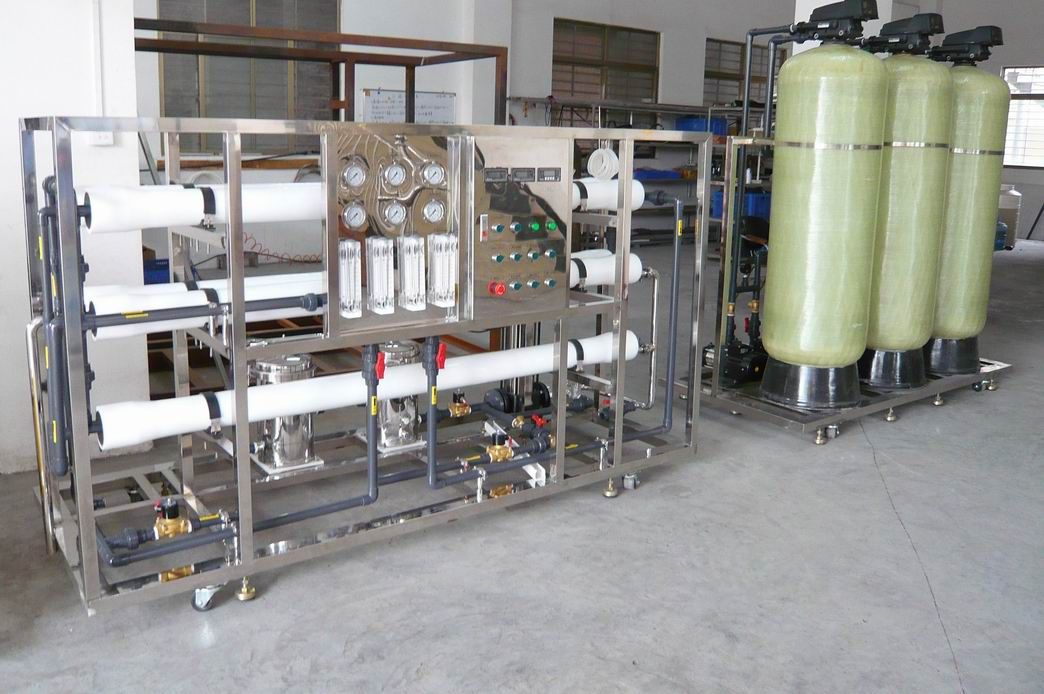
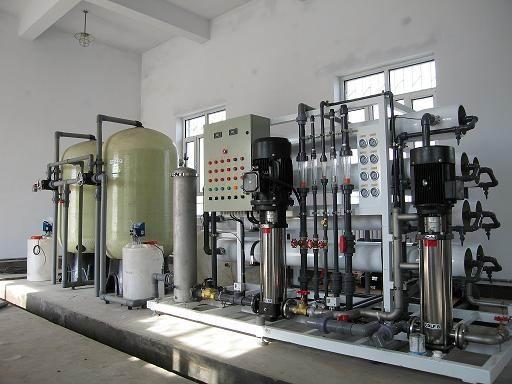
A cornerstone of any resort’s water infrastructure, centralized water purification systems are designed to treat incoming water from municipal sources or wells. These systems remove contaminants such as sediments, heavy metals, chlorine, and organic compounds, ensuring safe drinking water for guests and staff. Key components include:
-
Reverse Osmosis (RO) Systems: Effective for desalination and removing dissolved solids.
-
Activated Carbon Filters: Adsorb organic matter, pesticides, and unpleasant odors.
-
UV Disinfection Units: Kill bacteria, viruses, and other pathogens without chemical additives.
Resorts located in areas with unreliable water supplies or high salinity (e.g., coastal regions) often prioritize
RO systems to guarantee potable water.
Proper
wastewater treatment is not only an environmental imperative but also a legal requirement in many regions. Resorts generate substantial wastewater from kitchens, laundries, and guest activities. Installing on-site treatment plants allows for:
-
Graywater Recycling: Reusing treated wastewater for irrigation, toilet flushing, or pool make-up water.
-
Blackwater Treatment: Processing sewage to remove pathogens and nutrients before discharge or reuse.
Technologies like membrane bioreactors (MBRs) and anaerobic digestion systems are increasingly popular for their efficiency and eco-friendliness.
Pools and spas are major attractions for guests, but they demand rigorous water maintenance. Resorts must invest in specialized equipment to prevent algae growth, bacterial contamination, and chemical imbalances. Key solutions include:
-
Sand and Cartridge Filters: Remove debris and particulates.
-
Ozone and Chlorine Generators: Provide effective disinfection while minimizing chemical exposure.
-
pH and Chlorine Sensors: Automate water balancing to ensure safety and comfort.
Additionally, heat pumps and variable-speed pumps optimize energy efficiency, reducing operational costs.
To promote sustainability and reduce reliance on municipal water, many resorts adopt rainwater harvesting systems. These capture and store rainwater for non-potable uses like irrigation, cleaning, or cooling towers. Components include:
-
Gutters and Collection Tanks: Efficiently gather and store rainwater.
-
Filtration and UV Disinfection: Ensure harvested water meets quality standards for reuse.
Rainwater harvesting not only cuts costs but also aligns with eco-conscious guest expectations.
Hard water, rich in calcium and magnesium, can cause scaling in pipes, appliances, and boilers, leading to maintenance issues and energy inefficiency. Water softeners using ion-exchange technology mitigate these problems by replacing minerals with sodium or potassium ions. This is especially crucial for resorts with high water usage in laundry facilities, spas, and kitchens.
Restaurants and bars within resorts require ultra-pure water for brewing, coffee-making, and ice machines. Point-of-use (POU) filtration systems with RO or carbon filters ensure water meets the strict standards of food safety regulations. These systems also enhance the taste of beverages, improving guest experiences.
Legionella bacteria, which thrive in warm water systems, pose a significant health risk. Resorts must implement proactive measures, such as:
-
Thermal Shock Treatments: Periodically heating water to 160°F (71°C) to kill bacteria.
-
Copper-Silver Ionization: Disinfects water without harsh chemicals.
-
Regular Monitoring: Using sensors to track temperature and bacterial levels.
Modern resorts are increasingly adopting
IoT-enabled water management systems to optimize resource use. These platforms monitor water consumption in real time, detect leaks, and automate equipment adjustments. For example, sensors in gardens can trigger irrigation only when soil moisture is low, reducing waste.
Natural disasters or infrastructure failures can disrupt water services. Resorts should have backup plans, such as:
-
Boreholes or Wells: Access to groundwater during emergencies.
-
Portable RO Units: Provide potable water when mains supply is compromised.
-
Large Storage Tanks: Store treated water for critical operations.
Finally, resorts must ensure all
water treatment equipment adheres to regional laws and certifications. For example, the U.S. Environmental Protection Agency (EPA) sets standards for drinking water, while the European Union’s Water Framework Directive governs wastewater discharge. Partnering with certified suppliers and conducting regular audits is essential.
ConclusionA comprehensive approach to water management is vital for resorts aiming to deliver exceptional guest experiences while minimizing environmental impact. By investing in the right combination of
water treatment equipment, including purification, wastewater recycling, and smart monitoring systems, resorts can achieve sustainability goals, reduce operational costs, and build a reputation for responsibility. As the hospitality industry evolves, prioritizing water efficiency and safety will remain a key competitive advantage.


